
India’s Nature Update: Wetlands, Biodiversity and Forest Action
Explore recent conservation developments in India affecting wetlands, forests and nature-based climate solutions—what it means for afforestation action.
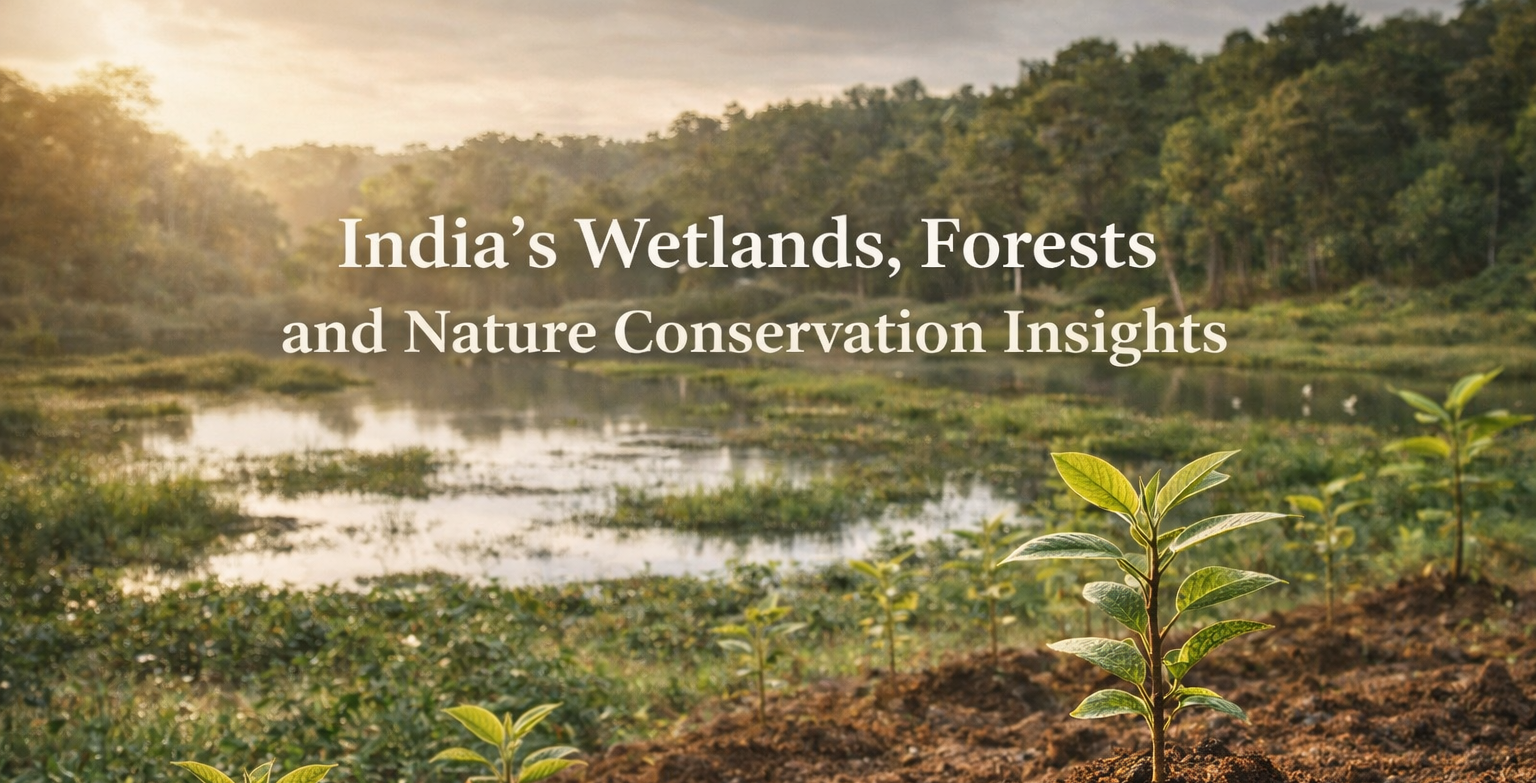
Recent developments across India’s environmental landscape show growing recognition of the importance of ecosystems—from wetlands and forests to biodiversity and community stewardship. These shifts illustrate how conservation, climate resilience and socio-ecological outcomes are becoming interconnected priorities.
Celebrating Wetlands and Conservation Efforts
Across several regions, events and initiatives have highlighted the importance of wetlands as ecological hotspots. Festivals and awareness programmes at sites such as the Surajpur Wetland in Noida have brought together birdwatchers, students and local advocates, emphasising the role of such ecosystems in supporting migratory birds and rich biodiversity. Authorities have discussed plans for improved facilities and ecological management to support conservation.
In Chandigarh, community gatherings around Sukhna Wetland have drawn participation from diverse groups, including youth and volunteers registered as “wetland mitras” (friends of the wetland), reinforcing the expanding role of citizens in protecting natural habitats.
These efforts reflect a shift from formal designation of sites toward community engagement and ongoing care for critical ecosystems.
Forest Cover Goals in Himachal Pradesh
In Himachal Pradesh, the government has formalised a long-term strategy to enhance forest cover, setting a goal to raise it from nearly 29.5% of geographical area to 31% by 2030. This initiative includes district-level assessments of suitable land and a focus on planting native species, fruit trees and medicinal plants.
Crucially, local groups such as women’s organisations, youth clubs and forest committees are being included in planning and implementation. These collaborations often link incentive structures to the long-term survival rate of newly planted trees, a best practice that supports ecological sustainability and community benefit.
This model suggests a mature approach to afforestation—one that values ecological integrity and local stewardship.
The Broader Importance of Wetlands and Forests
Wetlands as Climate and Biodiversity Anchors
According to official environmental updates, wetlands contribute far beyond water storage. They support migratory birds, supply livelihoods, protect against floods and play roles in carbon storage and water filtration. Recognition of additional Ramsar sites—from 26 to 98—underscores India’s expanding commitment to conserving these vital ecosystems.
Wetlands, like forests, are key components of nature-based climate strategies. Their preservation is essential not only for local ecology but for the resilience of neighbouring landscapes and communities.
Community Participation in Conservation
Public programmes involving citizen volunteers and education outreach help expand awareness and build long-term behavioural change. When local residents participate in stewardship activities, the result is often stronger protection outcomes and deeper ties between people and their natural environment.
This social dimension of conservation strengthens the foundation for broader climate action.
Forest Expansion and Climate Resilience
Forest expansion efforts that prioritise native species and long-term survival contribute multiple benefits:
- Enhanced carbon sequestration
- Stronger soil and water cycles
- Greater habitat continuity for wildlife
- Improved microclimate regulation
By linking tree planting to ecological outcomes and community roles, states like Himachal Pradesh are modelling a more sustainable and resilient approach to forest management.
Conclusion: Ecosystem Action Beyond Headlines
Recent conservation initiatives across wetlands and forests suggest a maturing environmental agenda in India—one that embraces inclusive engagement, safeguards critical ecosystems and integrates community voices into conservation planning.
Afforestation and ecosystem restoration are not isolated tasks; they are part of a broader vision that links climate resilience, biodiversity and human well-being. Supporting these efforts with thoughtful planning, ecological integrity and long-term stewardship will yield enduring benefits for landscape health and climate stability.
At Afforestation.org, we continue to highlight actionable insights and examples of nature-based solutions that protect ecosystems, empower communities and contribute to a resilient future.

Comments ()