
Green Credits, Forests and the Future: Why India’s Nature Economy Is Taking Shape

India’s climate conversation is gradually shifting-from short-term interventions to long-term, nature-based solutions. One idea that is gaining quiet but steady attention across policy, industry, and sustainability circles is the concept of green credits linked to forests, afforestation, and ecosystem restoration.
While still evolving, this shift signals something important: nature is beginning to be recognised as an economic and climate asset, not just a moral responsibility.
What Are Green Credits, and Why Do They Matter?
Green credits are intended to reward measurable positive environmental actions, such as:
- Increasing tree and canopy cover
- Restoring degraded land
- Improving biodiversity and soil health
- Protecting water and forest ecosystems
Unlike traditional compliance-driven mechanisms, green credits focus on incentivising positive action.
For afforestation initiatives, this could translate into:
- Financial recognition for long-term tree survival
- New funding pathways for community-led forest projects
- Greater participation from businesses and institutions
Why Afforestation Is Central to This Shift
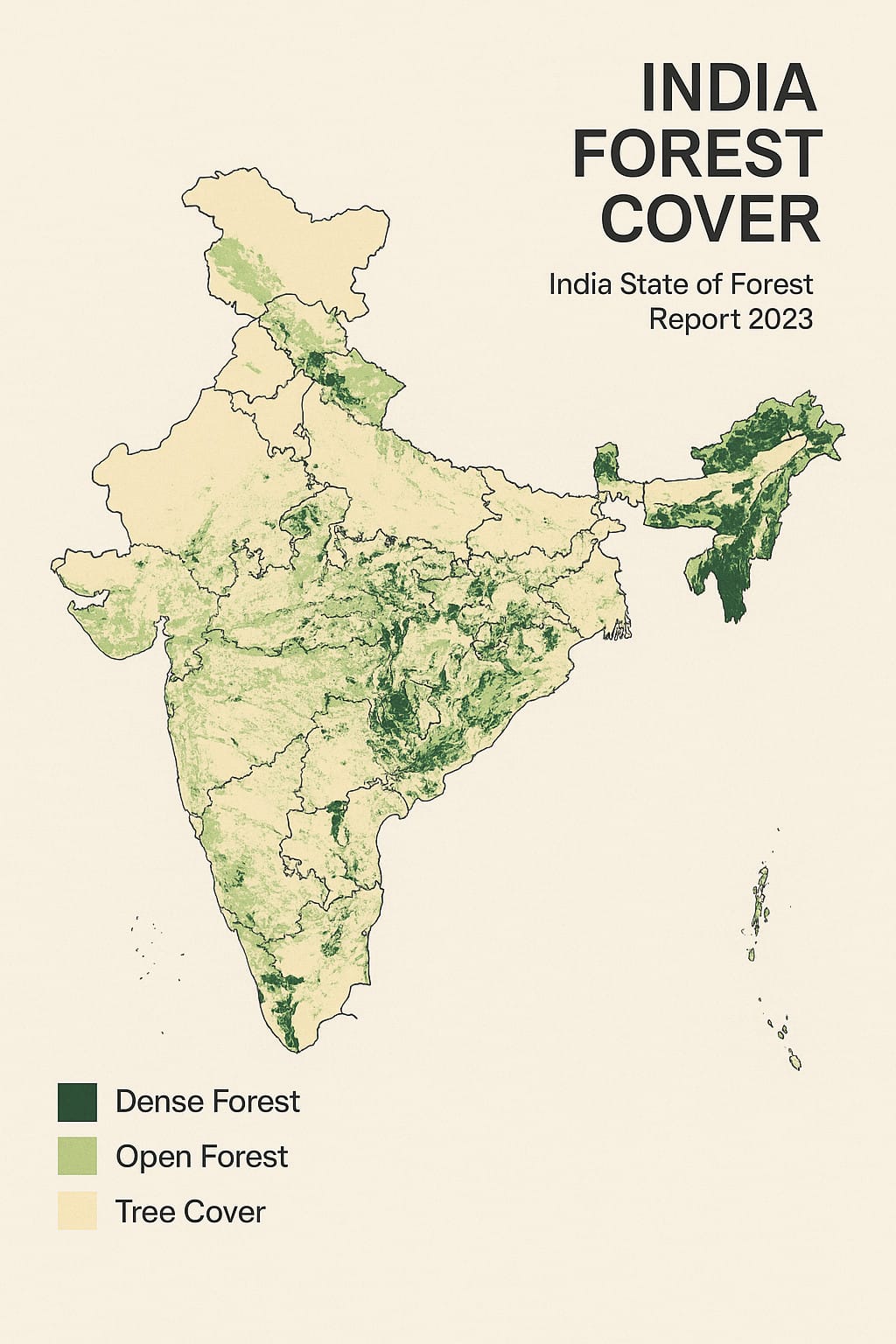
Afforestation sits at the intersection of climate action, livelihoods, and ecological resilience. Trees absorb carbon, but they also stabilise soils, support biodiversity, regulate water cycles, and create long-term environmental value.
India has vast tracts of degraded and semi-arid land with the potential for meaningful restoration. Real impact, however, depends on how afforestation is approached—using native species, engaging local communities, and ensuring long-term stewardship rather than one-time planting drives.
From Policy Signals to On-Ground Action
Recent discussions around green credits and forest restoration indicate a broader move toward:
- Linking environmental performance with finance
- Encouraging private participation in ecosystem restoration
- Measuring outcomes rather than intentions
The effectiveness of such systems will depend heavily on implementation quality. Poorly designed incentives risk encouraging monoculture plantations or short-term efforts that offer limited ecological value.
This makes transparency, monitoring, and long-term accountability essential.
What This Means for Communities and Climate
When designed carefully, green credit mechanisms tied to afforestation can:
- Strengthen community roles as long-term forest custodians
- Channel sustainable funding into restoration projects
- Support India’s climate and biodiversity goals
- Shift the focus from offsets to regeneration
Forests are living systems. Their value unfolds over decades, not reporting cycles.
Looking Ahead
As India experiments with new environmental incentive models, the real opportunity lies in building trust—between communities, institutions, and the ecosystems they depend on.
At Afforestation.org, we believe effective climate action goes beyond accounting frameworks. It requires continuity, care, and responsibility over time.
Trees planted today are commitments to the future.
What matters is how well those commitments are honoured.
Comments ()